
So You've Just Been Diagnosed With Type 2 Diabetes. What's Next?
Receiving a diagnosis of Type 2 diabetes can feel overwhelming. You may have questions about what this means for your health, your daily routine, and your future. The most important thing to know is that Type 2 diabetes is a manageable condition, and with the right approach, many people with diabetes live long, healthy, and active lives. Here is a guide to help you navigate the early days after your diagnosis.
Take a Deep Breath
It is normal to feel anxious, frustrated, or even scared after a diabetes diagnosis. Give yourself permission to process these emotions. A diagnosis is not a failure -- it is a starting point. Millions of people manage Type 2 diabetes successfully, and the tools and knowledge available today are better than ever before.
Understand Your Numbers
Your healthcare provider will likely discuss several key numbers with you:
- A1C (Hemoglobin A1C): This blood test measures your average blood sugar level over the past 2-3 months. A normal A1C is below 5.7%; prediabetes is 5.7-6.4%; diabetes is diagnosed at 6.5% or higher. Your doctor will help you set a target A1C, typically below 7% for most adults.
- Fasting Blood Sugar: Your blood sugar level after an overnight fast. Normal is below 100 mg/dL; diabetes is diagnosed at 126 mg/dL or higher.
- Blood Pressure and Cholesterol: Diabetes increases your risk of heart disease, so monitoring and managing blood pressure and cholesterol levels is also important.
Build Your Healthcare Team
Managing diabetes is a team effort. In addition to your primary care physician, your care team may include:
- An endocrinologist (diabetes specialist)
- A certified diabetes educator (CDE) or diabetes care and education specialist (DCES)
- A registered dietitian or nutritionist
- An ophthalmologist (for annual eye exams)
- A podiatrist (for foot care)
Make Gradual Lifestyle Changes
You do not need to overhaul your entire life overnight. Small, sustainable changes make a big difference over time:
Nutrition
- Focus on balanced meals with vegetables, lean proteins, whole grains, and healthy fats.
- Reduce intake of sugary beverages, processed foods, and refined carbohydrates.
- Pay attention to portion sizes.
- A registered dietitian can help you create a meal plan that fits your preferences and lifestyle.
Physical Activity
- Aim for at least 150 minutes of moderate aerobic activity per week (brisk walking, swimming, cycling).
- Include strength training exercises 2-3 times per week.
- Start slowly if you have been inactive, and gradually increase intensity and duration.
Weight Management
If you are overweight, losing even 5-7% of your body weight can significantly improve blood sugar control and reduce insulin resistance.
Learn About Your Medications
Depending on your blood sugar levels and overall health, your doctor may prescribe medication to help manage your diabetes. Common medications include:
- Metformin: The most commonly prescribed first-line medication for Type 2 diabetes. It works by reducing glucose production in the liver and improving insulin sensitivity.
- Sulfonylureas: Stimulate the pancreas to produce more insulin.
- GLP-1 receptor agonists: Help lower blood sugar, slow digestion, and may promote weight loss.
- SGLT2 inhibitors: Help the kidneys remove excess sugar from the blood through urine.
- Insulin: Some people with Type 2 diabetes may need insulin therapy, especially if other medications do not achieve adequate blood sugar control.
Take your medications as prescribed, and discuss any side effects or concerns with your doctor.
Monitor Your Blood Sugar
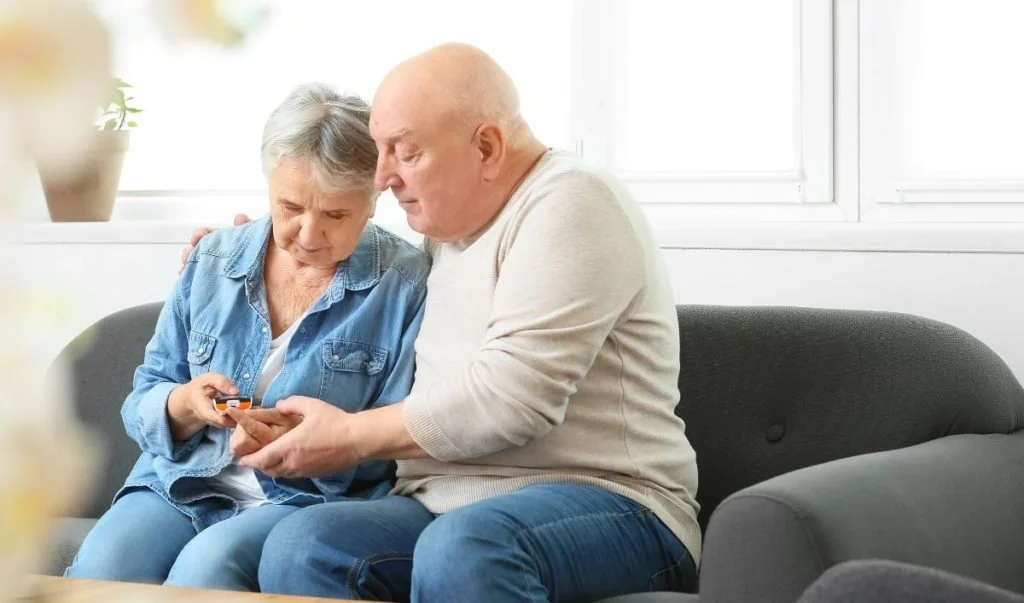
Your doctor may recommend regular blood sugar monitoring at home using a glucose meter or continuous glucose monitor (CGM). Tracking your numbers helps you understand how food, activity, stress, and medication affect your blood sugar levels. It also allows you and your healthcare team to make informed adjustments to your treatment plan.
Stay Connected and Informed
Living with diabetes is easier when you have support. Consider joining a diabetes support group, either in person or online, to connect with others who understand what you are going through. Diabetes self-management education programs can also provide valuable knowledge and skills.
Remember, a Type 2 diabetes diagnosis is not a sentence -- it is an opportunity to take charge of your health. With the right care, lifestyle changes, and support, you can manage your diabetes effectively and continue to live a full and active life.